When a Red Eye Becomes an Emergency: Symptoms You Should Never Ignore
A red eye is one of those symptoms that can look minor right up until it is not. Plenty of people have had the experience of waking up with a bloodshot eye, assuming it is allergies or a little irritation, and going about the day as usual. Most of the time, that instinct is right. Dry air, lack of sleep, a bit of dust, or a simple case of pink eye can all turn the white of the eye red without threatening vision.
But there is a narrow, important line between a routine eye problem and a red eye emergency. Some causes are painful, some are infectious, and some can threaten sight if they are not treated quickly. The trouble is that the eye often gives only a few clues at first. A person may notice redness long before they appreciate that the pain, light sensitivity, or blurred vision points to something more serious.
That is why the symptom itself matters less than the pattern around it. A red eye paired with intense pain, vision changes, injury, fever, nausea, or contact lens use deserves a much closer look than ordinary irritation. The right response is not to panic, but to recognize the signs that separate a nuisance from a problem that should be seen by an eye doctor the same day, or even sooner.
What a red eye can mean
Redness happens when the tiny blood vessels on the surface of the eye dilate or become inflamed. That can happen for reasons that are completely benign, like fatigue or irritation from smoke, and it can also happen when the eye is fighting infection, inflammation, or trauma. The appearance alone does not tell the whole story.
In clinic, people often describe the same thing in very different ways. One person says, “My eye is red and itchy,” which often points toward allergy or mild irritation. Another says, “My eye is red and it feels like something is stabbing it,” which raises a different set of concerns entirely. The second description makes me think about corneal injury, a foreign body, or inflammation inside the eye, not just a surface problem.
The distinction matters because some eye conditions progress quickly. A scratch on the cornea can become infected. A sudden increase in eye pressure can damage the optic nerve. A deep infection after contact lens wear can start as redness and discomfort, then worsen over hours. Redness may be the first visible sign, but the surrounding symptoms tell you whether you are dealing with common pink eye symptoms or something more urgent.
The symptoms that should never be brushed off
Some findings should shift your thinking immediately. If a red eye comes with severe pain, reduced vision, marked sensitivity to light, a fixed or oddly shaped pupil, swelling around the eye, or a history of injury, it should not be treated like ordinary conjunctivitis.
Pain that feels deep rather than scratchy is especially important. Mild irritation can make an eye feel dry or gritty. Serious conditions often produce sharper pain, pain that worsens when the eye moves, or pain that seems out of proportion to how red the eye looks. Vision changes matter just as much. Blurry vision can happen from tears or discharge, but if the change is sudden, persistent, or affects only one eye, that is a different conversation. Light sensitivity is another clue people often underestimate. If a patient is keeping the eye shut in a bright room, there is usually more going on than routine redness.
A red eye after trauma is another classic warning sign. This includes obvious injuries, but also smaller incidents that people sometimes dismiss, such as metal grinding, a fingernail scratch, a tree branch, or even rubbing the eye after dust exposure. The eye can look deceptively normal at first. Corneal abrasions, embedded foreign bodies, and chemical exposure can all leave a red eye that worsens later if not assessed.
If there is thick discharge, especially with pain or swelling, the picture changes again. Many people assume discharge automatically means pink eye, and it can. But if the eye is very tender, the eyelids are swollen shut, or the skin around the eye is hot and inflamed, the infection may be more serious than routine conjunctivitis. An eye infection eye doctor should assess promptly can sometimes resemble simple pink eye at the start, which is exactly why persistent or severe symptoms deserve attention.
Red flags that point to an emergency
There are a handful of situations where waiting is the wrong move. A red eye emergency is not just about appearance, it is about the risk of losing time when treatment matters.
If vision drops suddenly, that is urgent. If the eye hurts badly and the person feels nauseated or sees halos around lights, elevated eye pressure becomes a concern. If the redness follows a chemical splash, even if the pain seems to settle after rinsing, the eye still needs prompt medical assessment. If there was a penetrating injury, or if something struck the eye at high speed, the situation is urgent even if the person can still see.
Severe light sensitivity deserves special mention. A person who cannot tolerate normal indoor light may have inflammation inside the eye, such as uveitis, or a serious corneal problem. That symptom often distinguishes a plain surface irritation from a deeper process. Fever plus red eye, especially with swelling around the eyelids, can signal spreading infection. A red eye in a contact lens wearer is also high risk, particularly if there is pain, blurred vision, or discharge. Contact lenses can trap organisms against the cornea and increase the odds of a corneal ulcer, which can advance quickly.
If you want a practical rule of thumb, the eye is more likely to need urgent care when redness comes with any of these features:
- sudden change in vision
- significant pain or severe light sensitivity
- chemical exposure, trauma, or a suspected foreign body
- nausea, headache, or halos around lights
- contact lens use with pain or discharge
That short list is not meant to replace judgment, only to sharpen it. When those features appear together, it is no longer safe to assume the problem is just pink eye symptoms.
Why pink eye is often confused with something worse
Pink eye, or conjunctivitis, is common enough that people often use the term for nearly any red eye. In reality, conjunctivitis usually causes redness, tearing, a scratchy sensation, mild swelling, and discharge. It can be viral, bacterial, or allergic. Some cases look dramatic but are not dangerous. Others are contagious and miserable, but still self-limited.
The confusion starts when a person assumes all red eyes are equal. A viral conjunctivitis can spread through a household, daycare, or office quickly, and it can leave the eye red for days. Allergic conjunctivitis can produce intense itching and watery eyes without serious damage. Bacterial conjunctivitis may cause thicker discharge and morning crusting. These are real problems, but they are not the same as an inflamed cornea, a chemical burn, or acute glaucoma.
The overlap is why symptom quality matters. Itching points more toward allergy. Grittiness and watery tearing are common with irritation or viral pink eye. Thick discharge can suggest bacterial infection. But severe pain, light sensitivity, or visual change should move the diagnosis away from simple conjunctivitis until proven otherwise. A red eye with those symptoms should not be self-treated as if it were routine pink eye.
Contact lenses change the risk
Contact lens wear deserves its own conversation because it changes the stakes. A person can have only mild redness at first and still be developing a corneal infection. Extended wear, sleeping in lenses, poor hygiene, or using old lenses all raise risk. Even careful wearers can run into trouble if a lens gets damaged or trapped under the lid.
The cornea has no blood vessels, so when it becomes infected, the symptoms can escalate rapidly. Pain, tearing, blurred vision, and light sensitivity are the classic pattern. Sometimes the eye feels like a foreign body is stuck in it, but nothing comes out when the person flushes it. That is one reason clinicians take a contact lens related red eye seriously. It is not just the redness, it is the possibility of a corneal ulcer.
A common mistake is to keep wearing the lenses because the eye seems only mildly irritated. That usually delays care and can make the problem harder to treat. Contact lenses should come out at the first sign of a significant red eye, and the lenses themselves should be saved if possible so the eye doctor can review them if needed. This is not the moment to test whether the eye will “settle down by tomorrow.”
Trauma and chemical exposure need immediate action
Eye injuries are easy to misjudge because the face can absorb a hit that leaves little external evidence. A child hit by a toy, a runner who gets a branch in the eye, a mechanic who feels a metal fleck strike the cornea, or someone who gets a splash of cleaner at home may all walk around for a while before realizing the damage is more than surface level.
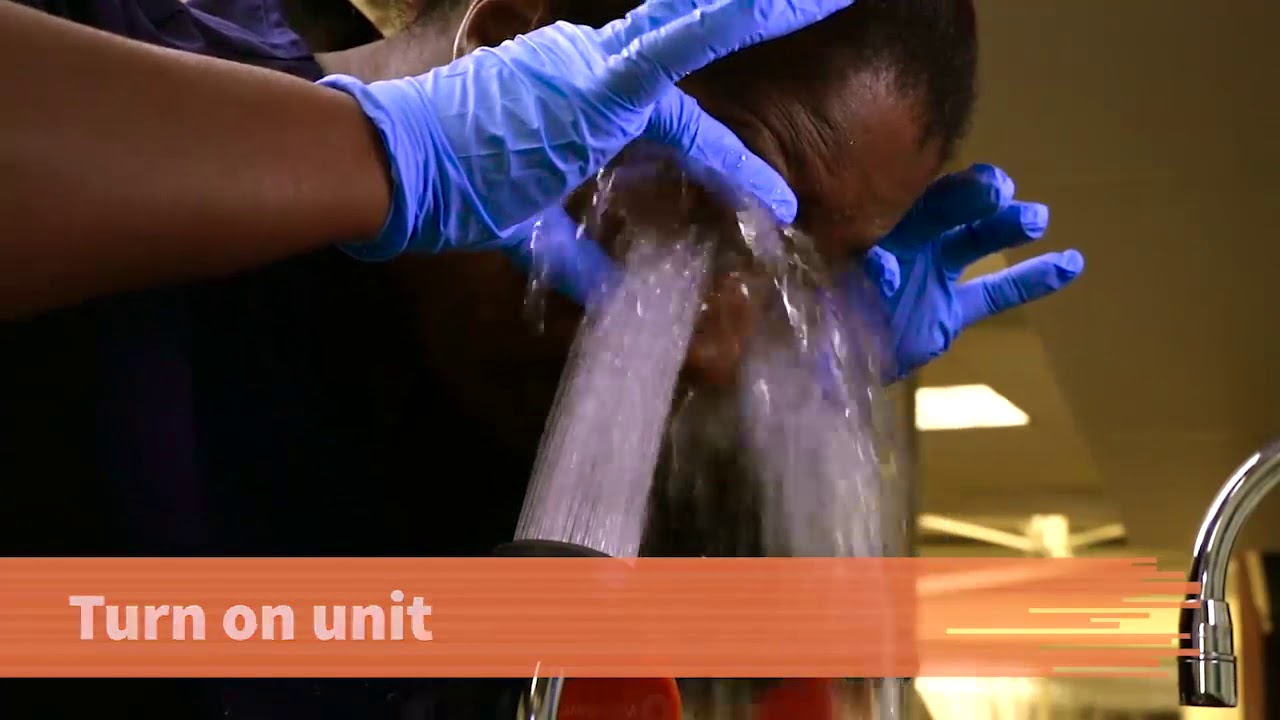
Chemical exposure is especially urgent. Household cleaners, bleach, solvents, and even some workplace agents can injure the eye quickly. The right first step is immediate irrigation, not waiting to see if the redness fades. Flushing the eye with clean water or saline for several minutes can reduce injury, but it does not replace medical evaluation. The eye may still need pressure checks, pH testing, or treatment for burns.
The same applies to blows to the eye and face. A black eye can coexist with internal damage. If the person has double vision, decreased vision, nausea, blood in the front of the eye, or increasing pain after trauma, the situation needs urgent assessment. A red eye after trauma is never something to casually monitor for several days.
How an eye doctor sorts out a serious red eye
A https://www.opticoreyegroup.com/blog/what-makes-retinal-imaging-different-from-traditional-eye-exams.html good eye exam for a red eye is usually direct and efficient. The clinician will ask when the redness started, whether one or both eyes are affected, whether there is pain or discharge, and whether the person wears contacts or had recent injury. Those details often narrow the possibilities before any testing begins.
The exam may include checking vision, shining a light across the eye, looking at pupil shape and reaction, and using fluorescein dye to detect corneal scratches or ulcers. If pressure inside the eye is a concern, that may be measured as well. In some cases, the eye doctor will examine the eyelids carefully for a foreign body that is rubbing the cornea. The process is usually quick, but the findings can change treatment right away.
People sometimes delay because they assume the problem will be obvious if it is serious. The truth is that many serious eye conditions do not look dramatic from the outside. A corneal ulcer can be small. Acute glaucoma does not always make the eye look wildly different. Internal inflammation may show only a modest red eye at first. That is why symptoms and history matter as much as the color of the eye itself.
What you can safely do while waiting for care
If the red eye seems mild and there are no warning signs, simple measures can help. Artificial tears can soothe irritation. A cool compress may reduce discomfort and swelling. Avoid rubbing the eye, because rubbing can worsen irritation and, in some cases, spread infection. If the symptoms look like allergic pink eye, an over-the-counter antihistamine eye drop may help, though it is wise to read the label carefully and avoid anything that causes more stinging.
If there is discharge, gentle cleaning with a clean, damp cloth is reasonable. Wash hands often, especially if the eye problem may be contagious. Do not share towels, pillowcases, or eye cosmetics. If the person wears contact lenses, those should stay out until the eye is cleared. Old eye makeup is often worth discarding after an infection, because reusing contaminated products is an easy way to prolong the problem.
What should not happen is just as important. Do not patch the eye unless a clinician specifically recommends it. Do not use leftover prescription drops, especially steroid drops, because they can worsen infections and cloud the picture. Do not wait on severe symptoms because the eye “looks a little better” after a nap. Redness can ebb and flow even when the underlying problem is getting worse.
When the timing really matters
Some eye problems can wait for a routine appointment. Others need same-day care. The dividing line is usually drawn by pain, vision changes, light sensitivity, injury, chemical exposure, and contact lens use. If a person has a red eye with only mild itching and tearing, the odds lean toward a less urgent cause. If they have a red eye with pressure, blurred vision, or fever, the urgency rises quickly.
A practical way to think about it is this: if the eye seems merely irritated, but the person can see clearly and has no significant pain, there may be time to observe. If the eye is painful, photophobic, or visually different from normal, it deserves evaluation. A delay of a few hours can matter in some conditions, especially corneal infections and pressure emergencies.
Parents often notice these red flags in children before the child can describe them well. An irritable child who avoids light, keeps one eye shut, or complains of headache and eye pain may be communicating more than a simple cold or pink eye. In older adults, a red eye plus headache or nausea can also be misleading, because the symptoms may be attributed to something else until the eye problem has already advanced.
The bottom line people remember too late
Most red eyes are not emergencies, but the dangerous ones often start out looking ordinary. That is what makes them tricky. The eye does not always give an early dramatic warning. Sometimes it just aches a little, waters a little, and turns red enough to seem like a minor nuisance. Then the pain increases, the vision blurs, or the light starts to feel unbearable.
That is why the symptom cluster matters so much. Redness with severe pain, blurred vision, light sensitivity, trauma, chemical exposure, fever, or contact lens wear should never be brushed aside. Those are the moments to call an eye doctor promptly, or seek urgent care if the symptoms are sudden or intense. A few hours can make a real difference when the cornea, optic nerve, or internal structures of the eye are involved.
A red eye that behaves like routine pink eye symptoms often settles with conservative care. A red eye that feels different, hurts more than expected, or changes how a person sees deserves a more serious response. The safest habit is simple: trust the symptom pattern, not just the color.